

Table of Contents
Factors That Contribute to Unhealthy Indoor Air Quality
The air you breathe inside your home, office, or even your child’s school can have a big impact on your health and comfort. Indoor air quality (IAQ) is all about how clean and safe that air is.
Many factors can influence indoor air quality, such as the materials used in your home—certain building materials and furniture can release pollutants over time. Everyday activities such as cooking, cleaning, and even burning candles can also affect air quality without you realizing it. Paying attention to these factors can make a real difference in creating a safe and comfortable space for you and your family.
Below are five major factors that increase poor indoor air quality:
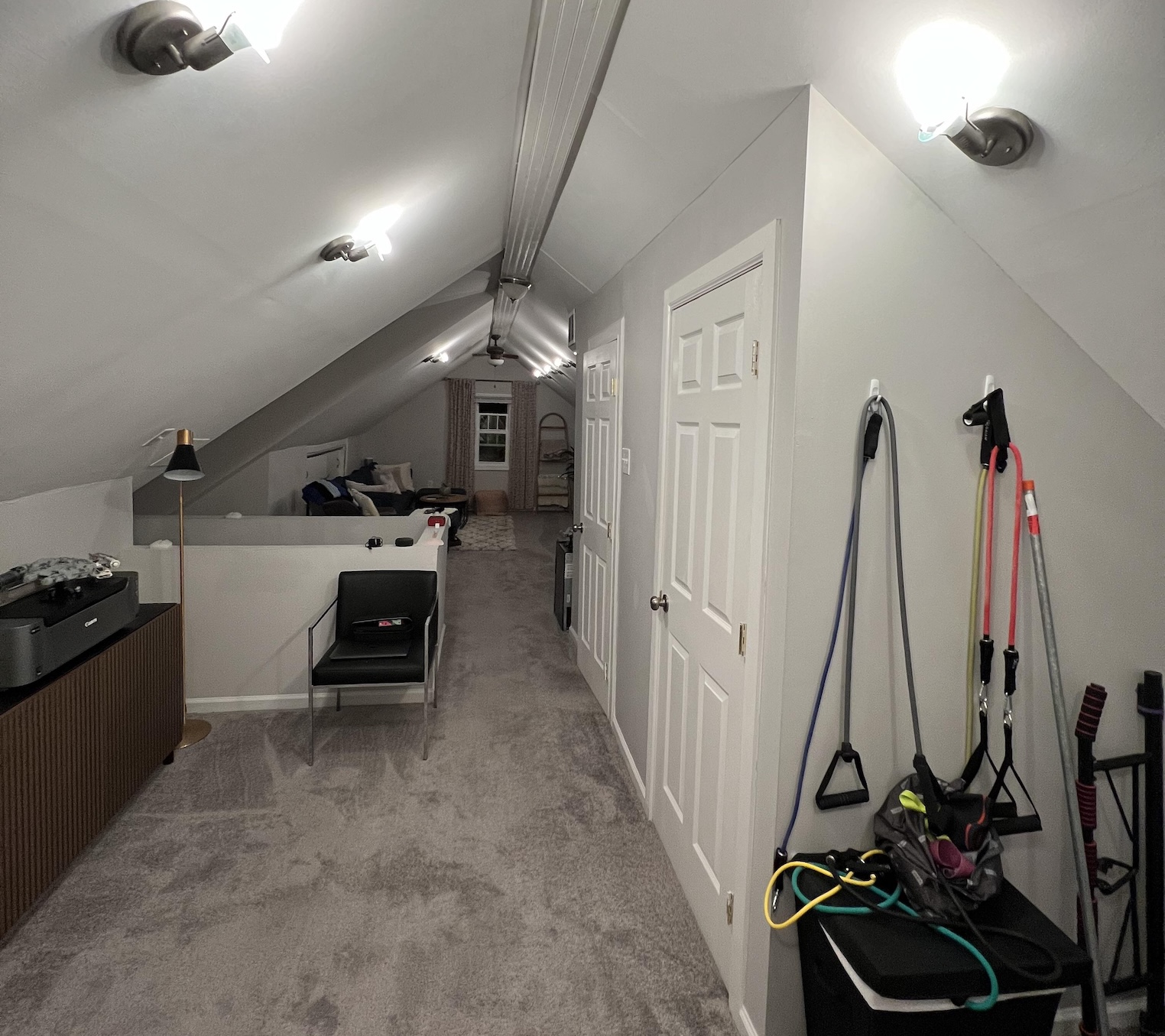
1. Lack of Proper Ventilation
Proper ventilation ensures a steady flow of fresh air inside a building. When ventilation is inadequate, pollutants such as carbon dioxide, moisture, and volatile organic compounds (VOCs) accumulate, leading to poor air quality. This is especially common in buildings tightly sealed for energy efficiency, trapping pollutants indoors.
2. Presence of Mold and Mildew
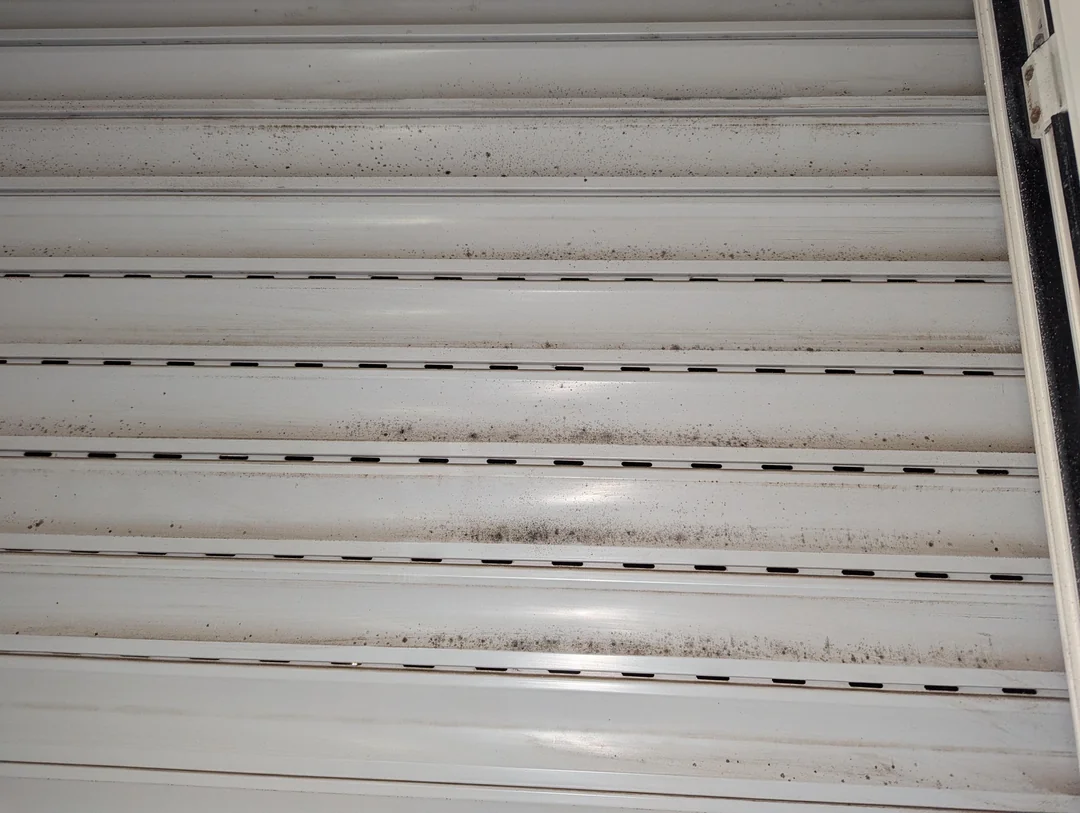
Mold and mildew thrive in damp environments, releasing spores into the air that can cause respiratory problems, allergic reactions, and other health concerns. Poor moisture control, leaks, and high humidity levels contribute to mold growth, significantly affecting indoor air quality.
3. Use of Harmful Chemicals and Cleaning Products
Many household and industrial cleaning products contain chemicals that release harmful fumes. These volatile organic compounds (VOCs) can cause headaches, dizziness, and long-term respiratory issues. Additionally, indoor pollutants from paint, furniture, and air fresheners can contribute to poor air quality.
4. Accumulation of Dust and Allergens
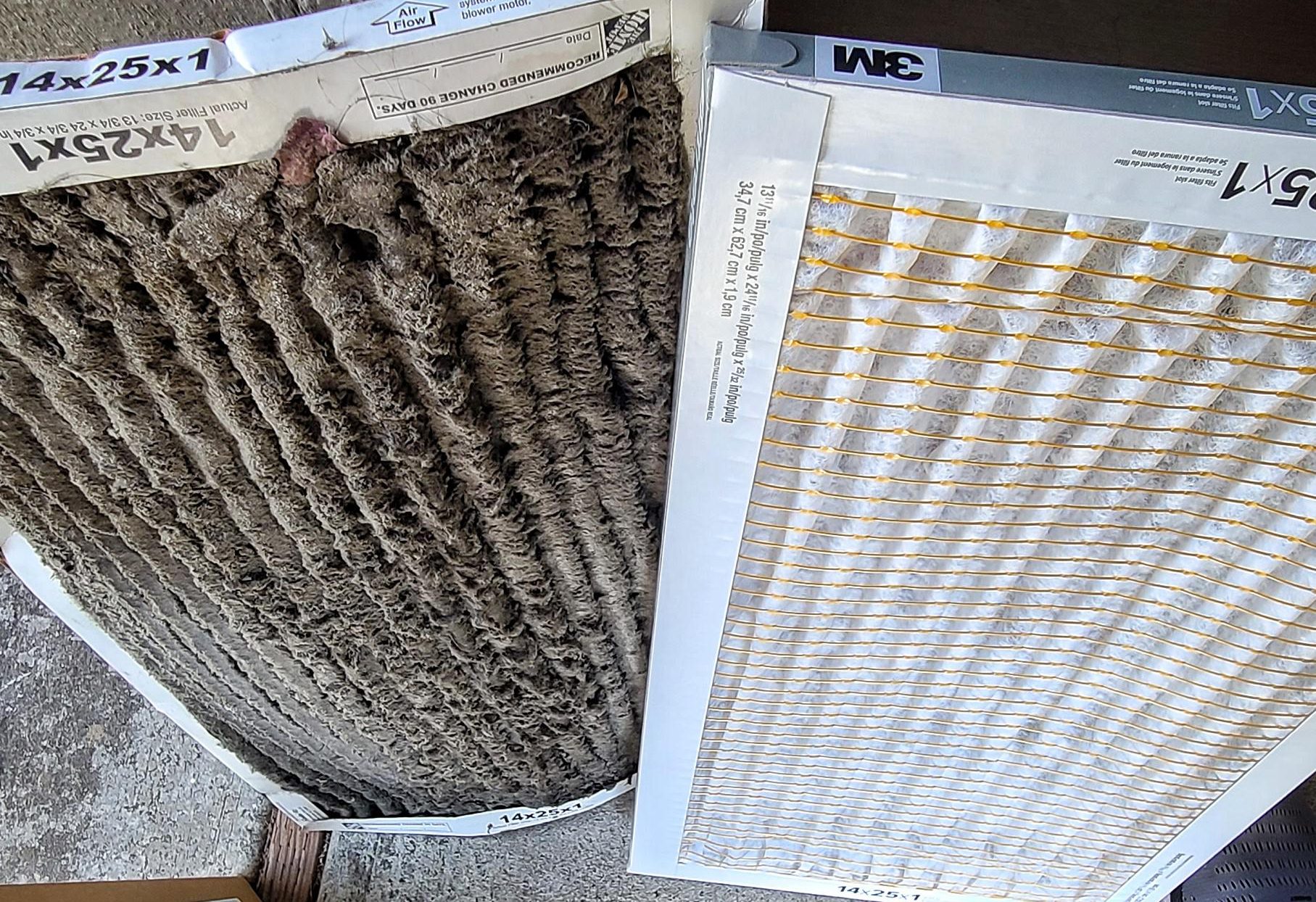
Dust, pet dander, pollen, and other allergens can build up over time, especially in carpets, upholstery, and ventilation systems. Without regular cleaning and proper air filtration, these particles circulate indoors, aggravating allergies and respiratory conditions such as asthma.
5. Combustion Pollutants
Indoor combustion sources such as stoves, fireplaces, and tobacco smoke release pollutants like carbon monoxide (CO) and nitrogen dioxide (NO2). These gases can be harmful, causing respiratory problems and even poisoning in high concentrations. Proper ventilation and regular maintenance of heating appliances can help reduce these risks.
Get peace of mind knowing your space is mold free.
Schedule your mold inspection today!
Schedule your mold inspection today!
Get peace of mind knowing your space is mold free.

Effective Ways to Improve Indoor Air Quality at Home

Increase Ventilation
Fresh air is essential for maintaining good indoor air quality. Open windows whenever possible to allow natural airflow and reduce indoor pollutants. If opening windows isn’t an option, use exhaust fans in kitchens and bathrooms to help remove stale air and bring in fresh air from outside.
Control Humidity Levels
Too much moisture in the air can lead to mold growth and dust mites, which negatively impact indoor air quality. Keep humidity levels between 30-50% by using dehumidifiers or air conditioners. Fix any leaks or sources of excess moisture to prevent damp conditions that encourage mold and mildew.
Use Air Purifiers
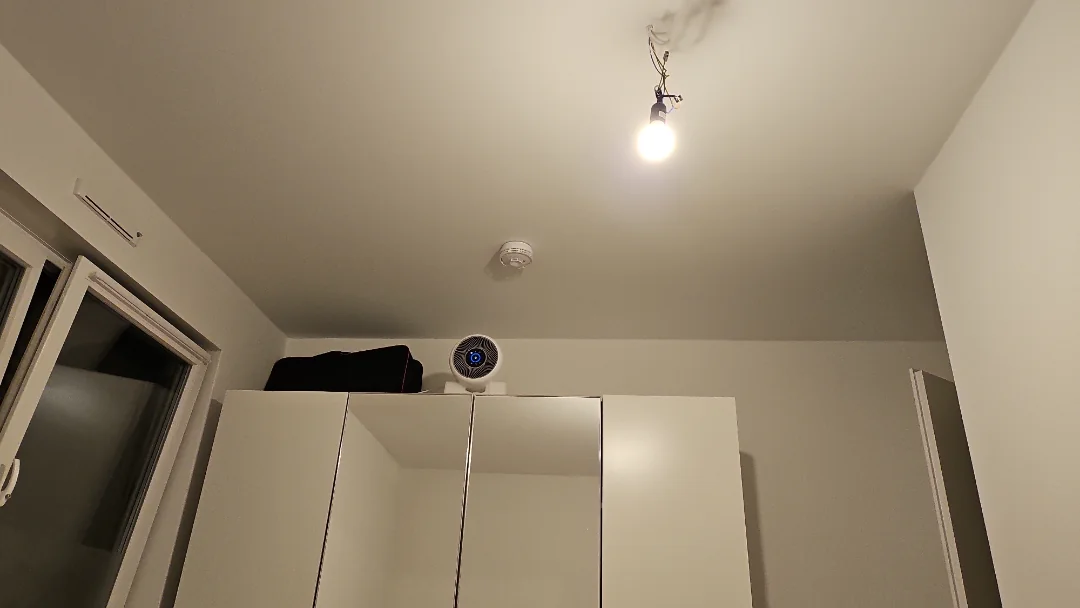
Air purifiers with high-efficiency particulate air (HEPA) filters are great for trapping dust, pet dander, pollen, and other airborne pollutants. Placing an air purifier in commonly used rooms, like bedrooms and living areas, can help reduce allergens and improve overall air quality.
Choose Non-Toxic Products
Many household products, such as cleaning supplies, paints, and air fresheners, release volatile organic compounds (VOCs) into the air. Opt for natural, non-toxic alternatives and low-VOC paints to minimize exposure to harmful chemicals that can cause headaches, respiratory irritation, and long-term health issues.
Regular Cleaning and Maintenance
A clean home means cleaner air. Dust and vacuum frequently using a vacuum with a HEPA filter to remove allergens. Wash bedding and curtains regularly to prevent dust buildup. Don’t forget to service your HVAC system and replace air filters as recommended to keep the air circulating through your home as clean as possible.
When Should I Consider Hiring a Professional for Indoor Air Quality Testing?
If you frequently experience allergies, or respiratory discomfort, or notice persistent musty odors in your home or workplace, it may be a sign of poor indoor air quality. Scheduling an air quality test can help uncover hidden pollutants such as mold, volatile organic compounds (VOCs), and carbon monoxide. Identifying these issues early allows you to take the necessary steps to create a healthier indoor environment.
At Reagan Environmental, our experienced Environmental Consultants specialize in diagnosing and addressing indoor air quality concerns. Whether your space is affected by mold, allergens, or chemical pollutants, we provide professional air quality testing and tailored solutions to improve the air you breathe. Don’t wait, contact Reagan Environmental today to schedule an air quality test and take the first step toward a cleaner, safer home or business.
FAQs
Are Natural Cleaning Products Better for Indoor Air Quality?
Yes, natural or non-toxic cleaning products reduce exposure to harmful VOCs and other airborne chemicals found in conventional cleaning solutions. Look for products labeled as eco-friendly, biodegradable, or low-VOC for a healthier indoor environment.
Helpful Articles

10 Warning Signs of Mold Toxicity in Toddlers
February 26, 2025

What Is the Process of Mold Remediation in Houston?
January 17, 2025

When you book an inspection with Reagan Environmental, you’re not just putting your trust in our service; you’re reclaiming peace of mind.
Our highly trained and experienced team of mold experts will conduct a detailed inspection of your property, identifying any potential environmental risks that may be lurking beneath the surface.
Whether it’s mold, lead, asbestos, or any other environmental concerns, Reagan’s got you covered.
Stay connected! Follow us on social media for the latest mold news & updates.
Thank You For Considering Reagan Environmental
To book your inspection, please fill out the form below with a brief description of your concern, or click to call our office, we’re open Mon-Fri | 8:00am-5:00pm